A sewer pipe can be badly cracked, invaded by tree roots or leaking beneath a driveway without looking like much from above. The warning signs are usually inside the property: recurring blocked drains, foul smells, slow toilets, gurgling pipes or wastewater backing up where it should not. Drain relining can repair certain damaged underground pipes without digging up large sections of the yard, concrete or landscaping.
For Sydney property owners, that can mean less disruption and a faster path to a reliable sewer repair. It is not the answer for every drain problem, though. A proper CCTV drain inspection is what determines whether relining is a sound long-term repair or whether excavation and pipe replacement are the safer option.
What is drain relining?
Drain relining is a trenchless repair method that creates a new pipe inside an existing damaged drain or sewer line. Rather than excavating the whole pipe, a licensed plumber first cleans and inspects it, then installs a resin-saturated liner through the affected section. Once the liner is positioned and cured, it hardens into a durable, jointless pipe within the old one.
The new liner seals cracks, holes, displaced joints and areas where roots have entered the line. It restores the pipe wall from the inside, preventing soil and roots from finding their way back through the same damage.
This method is often used on earthenware, clay, cast iron and some PVC drainage pipes. Many older Sydney homes have underground pipework that has shifted, cracked or deteriorated over decades. If the original pipe still has enough shape and structure to support a liner, relining may avoid an otherwise significant excavation job.
How a relined drain is repaired
A reliable repair starts with finding the real cause of the blockage. Clearing a drain once does not fix a cracked pipe or a root problem underneath it. The process generally follows a clear sequence.
First, the line is assessed with a CCTV drain inspection. A drain camera shows the pipe material, diameter, depth, location and condition, while identifying cracks, root intrusion, collapsed sections, offsets and other faults. This is also how a plumber confirms the full extent of the repair, rather than making assumptions based on surface symptoms.
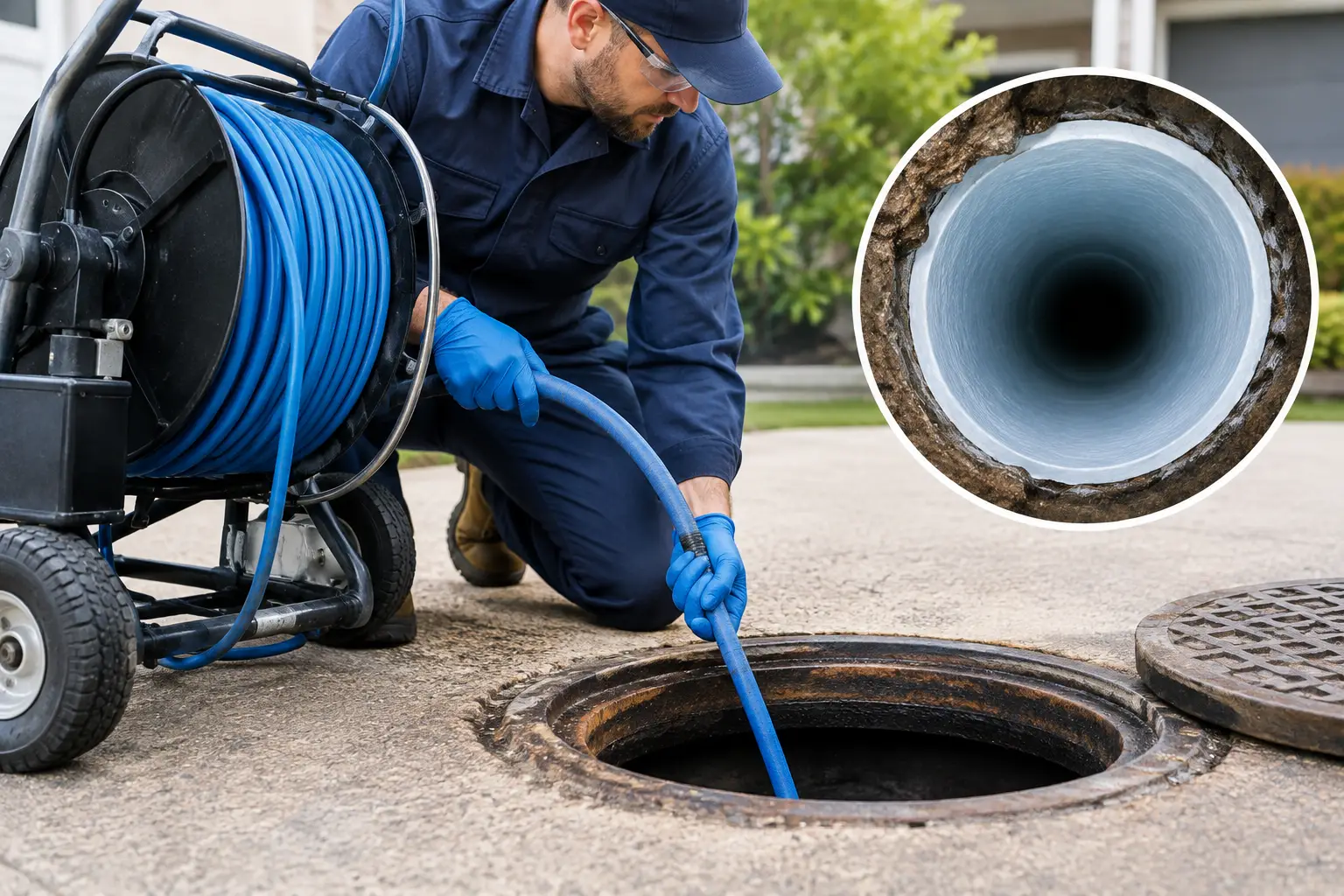
Next, the pipe needs thorough preparation. High-pressure drain cleaning removes roots, scale, sludge and debris so the liner can bond correctly to the inside wall. Heavy root growth may require specialised cutting equipment before jetting. A liner should never be installed over an unclean or poorly prepared pipe, as this risks reducing the quality and life of the repair.
The liner is then measured, prepared and inserted into the damaged section. Air or water pressure holds it firmly against the internal pipe wall while the resin cures. Once set, the ends are trimmed and the line is inspected again by CCTV. The final camera footage confirms the new pipe is correctly formed, clear and ready to carry wastewater.
Depending on the pipe layout and the size of the repair, access may be gained through an existing inspection opening, gully or carefully selected access point. This is why drain relining can be particularly valuable where a sewer line runs beneath a concrete driveway, established garden, tiled courtyard, garage floor or other difficult-to-reinstate area.
When drain relining is a good option
Relining is often worth considering when damage is localised or spread across a pipe that still has a workable alignment. It can be an effective response to persistent root intrusion, cracks at old earthenware joints, minor fractures, leaking sections and pipes that have worn thin over time.
It is especially useful when excavation would involve removing expensive surfaces or disrupting a busy property. For a strata complex, commercial premises or rental property, reducing noise, mess and downtime can be just as important as avoiding the cost of restoring paving or landscaping afterwards.
A relined pipe also has no internal joints along the repaired length. That reduces common entry points for roots, which are often attracted to moisture escaping from damaged sewer joints. However, relining does not remove nearby trees or change the condition of other unrepaired sections of pipe. If roots are entering elsewhere in the drainage system, those areas still need to be inspected and managed.
In Western Sydney, South-West Sydney, the Hills District and North-West Sydney, properties can have very different drainage conditions even within the same suburb. Older homes may have clay sewer lines, while newer developments can have plastic pipes affected by movement, construction damage or poor connections. The pipe condition matters more than the age of the property alone.
When excavation may be the better repair
No-dig repair sounds appealing, but the right solution depends on what the CCTV footage shows. If a pipe has fully collapsed, is severely crushed, has a major break, has lost its alignment or holds significant standing water due to a major belly, relining may not be suitable. A liner follows the general shape of the host pipe, so it cannot correct every structural failure.
Excavation may also be needed where a connection is badly damaged, the pipe diameter has been significantly reduced, or the affected section cannot be properly cleaned and prepared. In those situations, replacing the damaged pipe gives the plumber direct access to rebuild the line to the correct grade and connection standard.
The best outcome is not always the option with the least digging. It is the repair that addresses the fault properly and provides dependable drainage for the long term. A licensed plumber should explain what the camera inspection found, show you the evidence where possible, and outline the practical options before work begins.
Key benefits and trade-offs of drain relining
The main advantage of relining is reduced excavation. That can preserve driveways, lawns, paths, gardens and internal flooring, while limiting the mess associated with digging a trench. It may also shorten the overall repair time where reinstatement would otherwise be extensive.
Drain relining is not automatically the cheaper option in every circumstance. A straightforward pipe repair in open soil may be more economical to excavate and replace. Relining can be more cost-effective where the pipe sits beneath concrete, buildings or high-value landscaping, because it reduces demolition and restoration work.
There is also a small reduction in the internal diameter of the pipe after a liner is installed. In a correctly selected residential sewer repair, this is usually accounted for during assessment and does not prevent normal drainage. But the pipe size, flow requirements and number of connected fixtures must be considered, particularly for commercial properties or multi-dwelling sites.
Quality of installation is critical. The drain must be accurately diagnosed, completely cleaned and professionally prepared. Correct curing, CCTV verification and clear documentation all matter. Choosing a qualified, insured plumbing team with specialist drainage equipment is not an optional extra when the repair is underground and difficult to inspect once complete.
Do not ignore repeat blockages
A plunger, chemical cleaner or quick drain clear may get water moving temporarily, but repeat blockages are a signal to investigate further. Chemical products can also damage pipework and are rarely effective against roots, collapsed sections or serious structural defects.
If your toilet backs up, wastewater appears at an outside gully, or more than one fixture is draining slowly, stop using excess water where possible. Avoid running washing machines, dishwashers and long showers until the line has been assessed. Overflowing sewage can create a hygiene issue and cause damage that becomes more expensive with every use.
A CCTV drain inspection and high-pressure drain cleaning provide the evidence needed to make an informed repair decision. If relining is suitable, it can protect your property from disruptive digging while restoring a damaged sewer line from the inside. If it is not, knowing that early allows the repair to be planned properly instead of repeatedly paying for temporary blockages to be cleared.
When drainage problems keep returning, act before the next overflow. A clear camera diagnosis and honest repair advice will give you far more certainty than another short-term fix.