The smell of gas near a cooktop, heater or hot-water system is not a maintenance job for the weekend. Turn off the gas supply only if it is safe to do so, avoid switches, flames and electrical appliances, ventilate the area, move outside, and arrange urgent help. Gas plumbing faults can create a serious fire, explosion or carbon monoxide risk, even when the leak appears minor.
For Sydney homeowners, landlords and property managers, the right response is simple: treat gas concerns promptly and have the work assessed by a licensed gas fitter. A professional inspection identifies the source of the issue, confirms the installation is safe and provides a clear path to repair or replacement.
What gas plumbing covers in a property
Gas plumbing includes the pipework, valves, regulators, appliances and flues that deliver and use natural gas or LPG safely. In a typical home, this may include a gas cooktop, oven, hot-water system, bayonet fitting, room heater, outdoor barbecue point or gas fireplace.
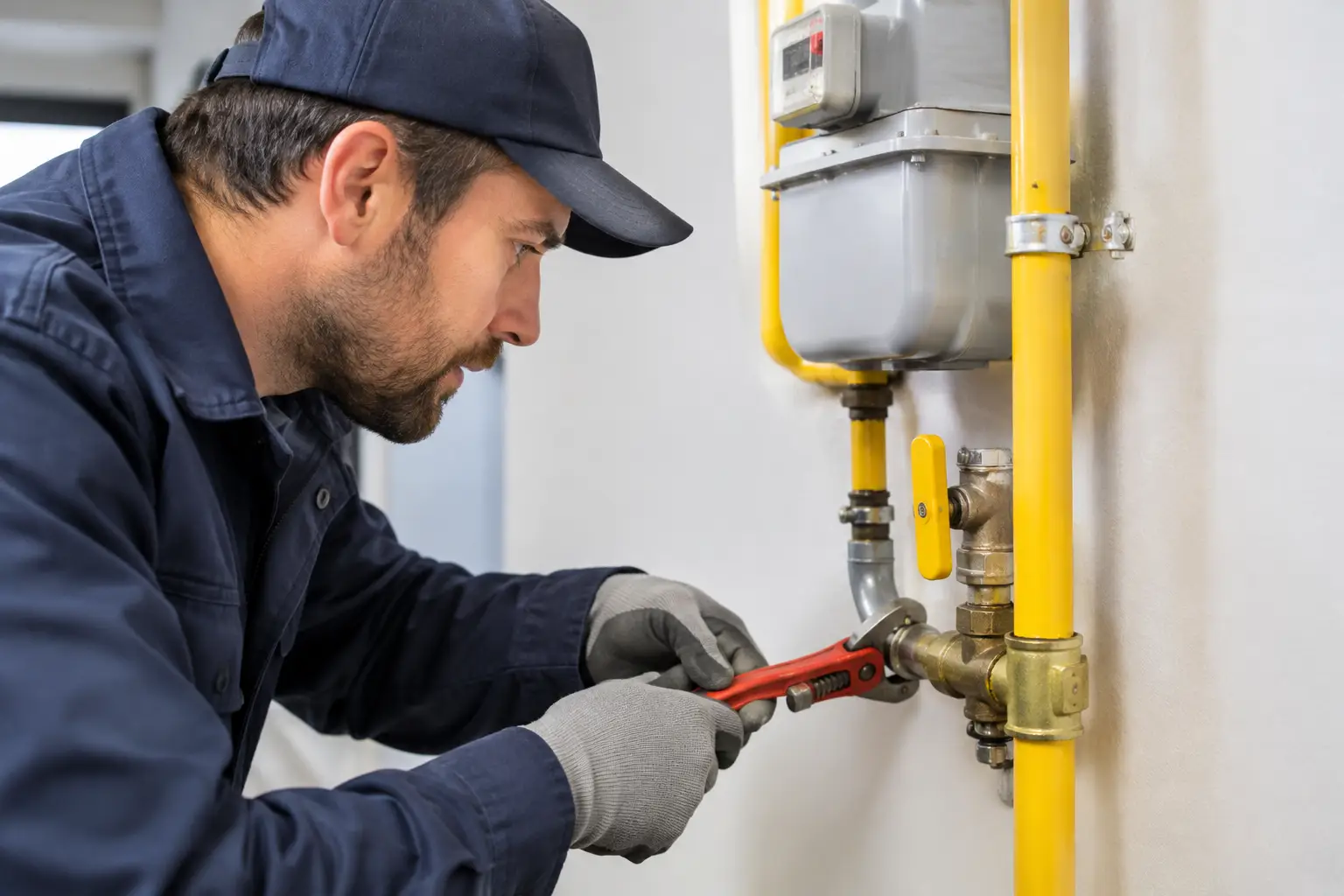
The pipework itself may be concealed in walls, ceilings, under floors or underground between the meter and the building. That makes fault finding more involved than simply looking for a visible drip. A licensed gas fitter uses approved testing methods to check gas pressure, appliance connections and the integrity of the gas line before recommending repairs.
Gas work is not general handyman work. Installation, alteration and repair work must be completed by an appropriately licensed professional and in line with relevant Australian standards. This protects the people using the property and helps prevent compliance issues when a home is sold, rented or managed under strata.
Signs your gas plumbing needs urgent attention
A clear rotten-egg or sulphur smell is the warning most people recognise, as an odour is added to natural gas to make a leak easier to detect. But not every fault announces itself that clearly. Small leaks, failing appliances and ventilation problems can develop gradually.
Arrange professional gas fault finding promptly if you notice any of the following:
- A gas smell indoors, outdoors near the meter, or around an appliance
- Hissing sounds close to gas pipes, connections or valves
- Pilot lights that repeatedly go out, weak burner flames or flames that are yellow rather than a clean blue
- Black marks, soot or staining around a gas heater, cooktop or hot-water unit
- Headaches, nausea, dizziness or unusual tiredness that improves after leaving the building
- Higher gas bills without a matching change in household use
Yellow or orange flames do not always mean there is a gas leak. They can result from burner contamination or poor adjustment. However, they do indicate incomplete combustion and should not be ignored, particularly on an indoor appliance. Soot, poor performance or repeated pilot-light issues can point to a problem with the burner, gas supply, flue or ventilation.
If anyone has symptoms consistent with carbon monoxide exposure, get fresh air immediately and seek urgent medical advice. Carbon monoxide cannot be seen or smelled, which is why faulty gas appliances require proper testing rather than guesswork.
Common gas plumbing repairs and installations
Gas plumbing work ranges from a simple appliance connection through to replacing ageing pipework. The correct repair depends on where the fault is found, the condition of the existing installation and whether the system has enough capacity for the appliances being used.
A gas fitter may repair a leaking joint, replace a damaged isolation valve, install or relocate a gas bayonet, reconnect an appliance after kitchen renovations, or run a new line for an outdoor kitchen. Older properties sometimes need corroded or undersized gas pipes replaced, particularly when a new hot-water unit, larger cooktop or additional appliance is added.
Hot-water upgrades deserve particular planning. A continuous-flow gas unit can be an efficient option for some households, but its suitability depends on the home’s gas supply, water demand, available location and flue requirements. Replacing like for like can be straightforward, while moving a unit or changing the system type may require pipework alterations and careful compliance checks.
For commercial premises, gas plumbing can involve commercial kitchens, multiple hot-water units, heating equipment and more complex pipe layouts. Downtime matters, so repairs should be planned around safety, access and the operational needs of the business.
Gas leaks require more than a quick tightening
A loose connection may look like an obvious cause, but tightening a fitting without testing the complete system can leave another leak undiscovered. A licensed technician will isolate the system, pressure test the line where required, locate the fault and verify the repair before the gas supply is returned to service.
This matters because a leak can travel through wall cavities, roof spaces or under-floor areas before the smell becomes noticeable. The location where you first notice the odour is not always where the problem started.
Why DIY gas work is a costly risk
There is no safe shortcut when it comes to gas. DIY alterations, unlicensed repairs and improvised appliance connections can lead to gas leaks, poor combustion, fire hazards and invalid insurance claims. They can also make a future repair more difficult because a technician first has to identify and rectify unsafe work before dealing with the original issue.
Even tasks that seem minor, such as replacing a cooktop, extending a barbecue connection or capping an unused gas line, need the right licence and testing. Appliances also need to be installed with correct clearances, ventilation and flue arrangements. These details are not cosmetic. They are central to safe operation.
For landlords and property managers, acting quickly is particularly important. A reported gas smell, failed gas hot-water system or suspected appliance issue should be treated as a priority maintenance matter. Clear communication with tenants, prompt attendance and documented licensed work help keep the property safe and reduce prolonged disruption.
Planning gas plumbing for renovations and upgrades
The best time to assess gas capacity is before cabinetry is installed, walls are closed or landscaping goes in. Kitchen renovations often reveal that an existing line is not positioned for the new cooktop, while alfresco projects may need a properly installed gas point rather than a temporary hose arrangement.
Tell your gas fitter what appliances you plan to use, where they will be located and whether you expect to add more gas appliances later. This helps determine the required pipe sizing, routing and isolation points. It can also prevent the frustration of installing an appliance that cannot perform properly because the supply line is inadequate.
Where pipework runs through concealed areas, careful planning reduces the need for unnecessary damage to walls, paving or gardens. The lowest upfront quote is not always the best value if it leaves difficult access, poor appliance placement or future upgrade limitations.
What to expect from a professional gas fitter
A proper gas plumbing visit should start with questions about the fault, the appliance involved and when the issue began. For urgent leaks, the first priority is making the area safe. For planned work, the technician should inspect the site, explain the practical options and identify any factors that affect cost or timing.
After repairs or installation, testing is essential. You should understand what was found, what work was completed and whether any further action is recommended. Transparent communication matters, especially where an appliance is unsafe to operate and needs to be isolated until it is repaired or replaced.
Tru Blu Plumbing Group provides licensed gas plumbing support across Western Sydney, South-West Sydney, the Hills District and North-West Sydney, from urgent gas fault finding to planned appliance connections and gas line upgrades. The focus is on safe workmanship, straightforward advice and getting the job resolved without unnecessary delay.
A gas issue is one of those problems that can become more serious while it is being put off. If you smell gas, notice abnormal flames or suspect an appliance is not operating safely, stop using it and book a licensed technician before the risk gets worse.