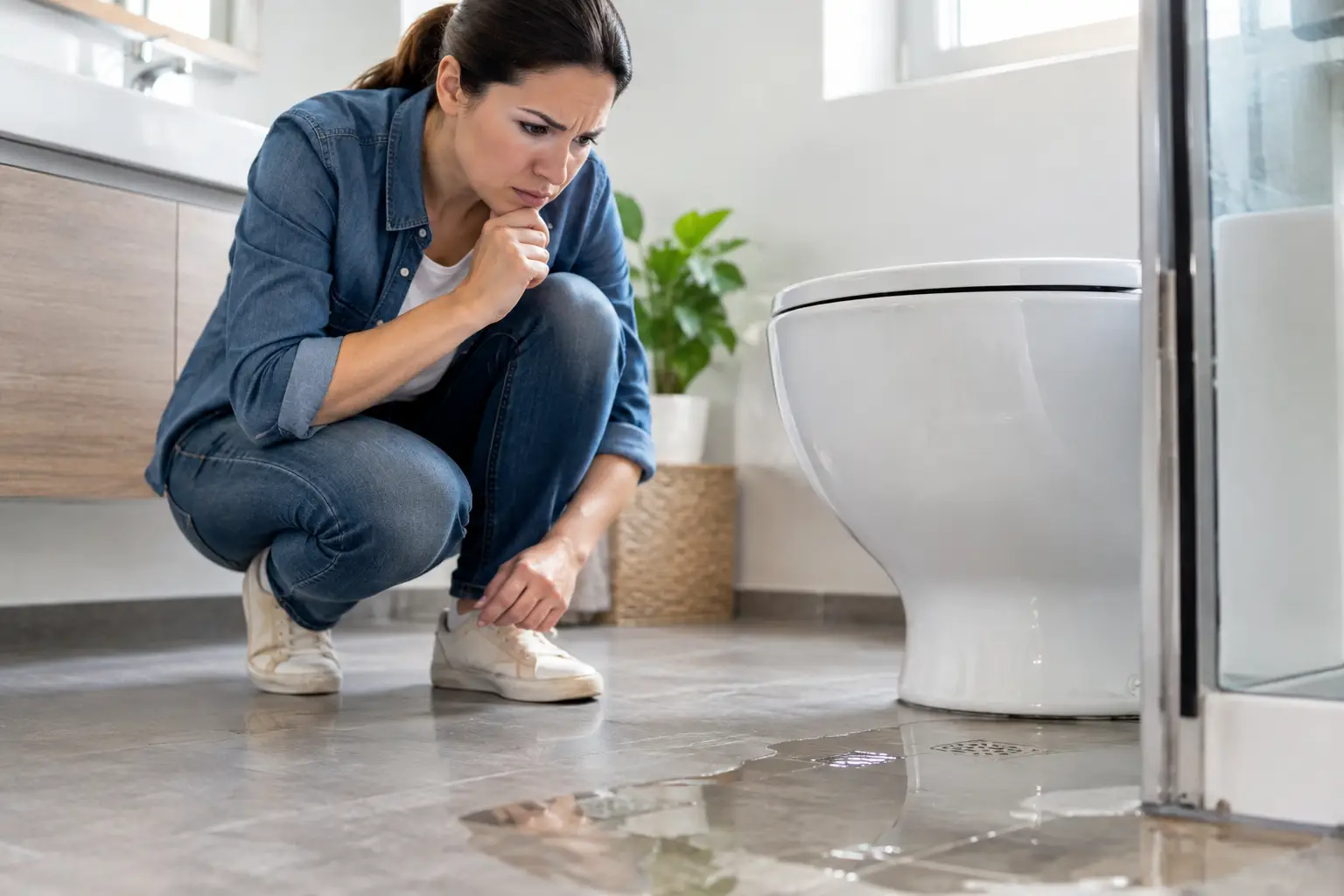
A sewer backup rarely starts with wastewater across the bathroom floor. More often, it begins with a slow drain, an unusual gurgle or a toilet that behaves differently after the washing machine empties. Knowing how to identify sewer backup symptoms early can help protect your home, rental property or business from contamination, costly water damage and major disruption.
Why a sewer backup needs fast action
Your sewer line carries wastewater away from toilets, showers, sinks, floor wastes and appliances. When there is a blockage, break, tree-root intrusion or collapse in that line, wastewater can no longer flow freely to the sewer main. It may then rise through the lowest available drainage point in the property.
This is not a blockage to ignore and hope will clear. Sewage contains bacteria and contaminants, while repeated overflow can damage flooring, walls, cabinetry and electrical systems. The earlier the cause is located, the more likely a plumber can resolve the issue before it becomes a full indoor overflow.
A single slow bathroom basin does not always mean a sewer problem. It could be a local blockage in the trap or branch drain. The warning signs become more serious when several fixtures are affected at once, especially when one fixture causes another to gurgle or fill.
How to identify sewer backup symptoms in your property
Multiple drains slow down together
One blocked shower drain is common. A shower, toilet and basin all draining slowly is different. When more than one fixture is affected, the obstruction may be further down the drainage system, often in the main sewer line rather than directly beneath one fixture.
Pay attention to the pattern. If the toilet flushes poorly and the shower drain pools, or the kitchen sink backs up when the dishwasher runs, stop treating each fixture as a separate problem. The system is signalling that wastewater is struggling to move through a shared pipe.
Toilets gurgle, bubble or change water level
A gurgling toilet can be an early sign of restricted airflow or a developing blockage in the drain line. You might hear bubbling after using the basin, shower or washing machine. In some cases, the toilet bowl water level may rise higher than normal, then slowly settle.
Do not keep flushing to test it. Another flush can push wastewater into the bowl or cause an overflow, particularly if the sewer line is already heavily restricted.
Water comes up through a floor waste or shower drain
Water appearing where it should not is one of the clearest sewer backup symptoms. For example, you may flush the toilet and see water rise from the shower drain, laundry floor waste or bathroom floor grate. This happens because blocked wastewater follows the easiest path back into the property.
Floor wastes are often the first points to overflow because they are low in the drainage system. In a granny flat, older home, commercial kitchen or ground-floor unit, this can quickly become a hygiene and property-damage issue.
You can smell sewage inside or outside
A persistent sewage smell around drains, bathrooms, laundries, the yard or an external inspection opening should be investigated. The smell may indicate stagnant wastewater held behind a blockage, a cracked sewer pipe, a damaged drain vent or an overflow outside the building.
A dry floor waste can also allow odours to enter, so the cause is not always a major blockage. However, an odour combined with slow drains, gurgling or wet ground is reason to arrange professional fault finding promptly.
Overflow outside near an inspection opening
Many Sydney properties have an inspection opening, also called an overflow relief gully, positioned outside the home. It is designed to release wastewater outside rather than allow it to flood the house if the sewer blocks.
If you see water, toilet paper or sewage escaping from this point, avoid contact and stop using water wherever possible. While an outside overflow is preferable to sewage inside, it still indicates a blocked or damaged sewer that needs urgent attention.
Wet, sunken or unusually green patches in the yard
A broken underground sewer pipe may leak wastewater into the surrounding soil. Look for damp or soft ground when there has been no rain, an unexplained sewage odour, lush patches of grass or small depressions in the lawn or garden bed.
Tree roots are a frequent cause, particularly around established trees. Roots enter tiny gaps in older pipe joints looking for moisture, then expand inside the line and catch paper, waste and debris. Clearing the roots may restore flow, but a camera inspection is needed to check whether the pipe itself has been damaged.
Symptoms that point to a main sewer issue
The difference between a local drain blockage and a sewer backup matters because the right repair depends on the location and condition of the pipe. A basin that drains slowly on its own may need local cleaning. But if flushing a toilet affects the shower, or using the washing machine causes the laundry floor waste to rise, there is a stronger chance of a shared drain or main sewer obstruction.
Properties with an upstairs bathroom can be deceptive. Water may appear downstairs first because the lower floor waste is the lowest exit point. Similarly, a tenant may report a blocked toilet while the actual issue is several metres away in the sewer line. This is why symptoms alone are useful, but they do not replace proper drainage diagnostics.
What to do when you notice sewer backup symptoms
Act early and keep the situation contained. If wastewater has started to rise or overflow, take these practical steps:
- Stop flushing toilets and avoid using showers, basins, washing machines and dishwashers.
- Keep children and pets away from wastewater and any affected rooms or yard areas.
- Do not use chemical drain cleaners. They rarely fix a main sewer blockage and can create safety risks for anyone working on the drain.
- Avoid removing inspection caps or attempting to rod the drain yourself, particularly if sewage is already under pressure.
- If it is safe, move valuables, rugs and stored items away from the affected area without touching contaminated water.
For landlords, strata managers and property managers, record the reported symptoms and when they began, then arrange a licensed plumber without delay. Details such as which fixture was used first, where water surfaced and whether the problem has happened before can speed up diagnosis.
If sewage has entered living areas, treat it as contaminated water. Do not use standard household cleaning alone to make the area safe. A plumber can stop the source, while appropriate cleaning and restoration may be needed depending on the extent of the overflow.
How a plumber finds the real cause
A professional sewer investigation should do more than temporarily get water moving. High-pressure drain cleaning can cut through built-up debris, paper, grease and tree roots, restoring flow through the line. It is often more effective and controlled than relying on older, forceful methods that may not remove the full obstruction.
A CCTV drain inspection then allows the plumber to inspect inside the pipe and identify the reason for the backup. The camera can reveal root intrusion, displaced joints, cracks, pipe bellying, a collapsed section or repeated build-up. This matters because a line that blocks again every few months may need targeted sewer repair or replacement rather than another short-term clear.
Tru Blu Plumbing Group uses specialist drainage equipment and clear fault finding to identify the issue accurately, explain the available repair options and provide transparent pricing before the work proceeds.
Reduce the chance of another backup
Not every sewer backup is preventable, particularly where an old pipe fails unexpectedly. But regular maintenance makes a difference for properties with a known history of roots, grease build-up or recurring blockages. A planned CCTV inspection can track pipe condition before an emergency develops.
Keep wipes, sanitary products, cotton buds, paper towel, fats and food scraps out of toilets and sinks. Products labelled flushable can still catch in a compromised drain. For commercial premises, regular maintenance is especially valuable where kitchens, amenities or high customer use place greater demand on the drainage system.
If your property has mature trees near the sewer route, ask a plumber whether root treatment, drain cleaning or repair is the most sensible long-term option. Removing roots without addressing a badly cracked pipe can be a temporary fix, while replacing every section may not be necessary if only one area is affected.
A gurgle, slow drain or outdoor overflow is your chance to act before sewage finds its way indoors. Arrange a licensed plumber as soon as the signs appear, and you can deal with the fault on controlled terms rather than during a damaging emergency.