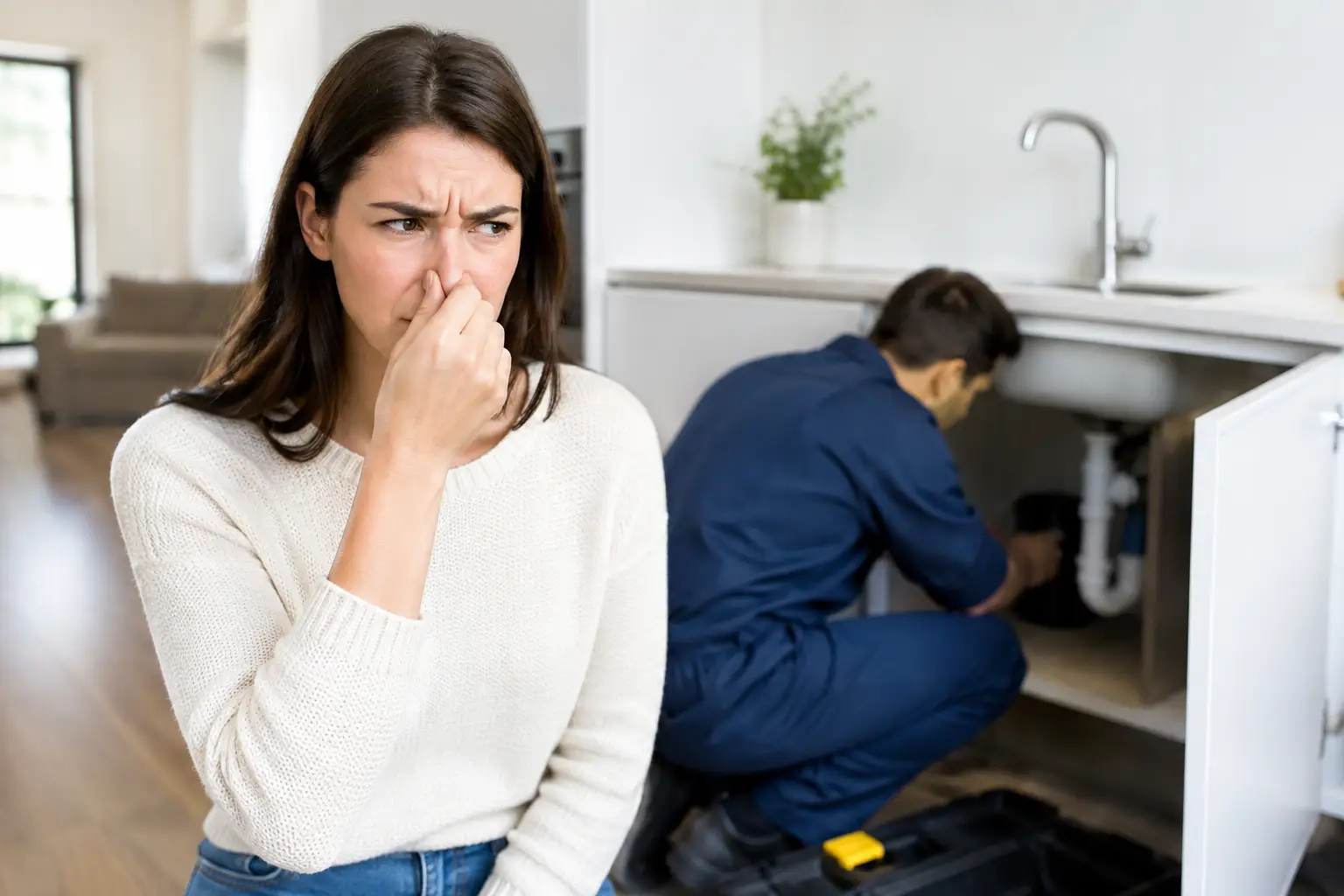
That sewer smell in house is not something to mask with air freshener and hope for the best. A sewage or rotten-egg odour usually means sewer gases are entering the property through a plumbing fixture, drain or damaged pipe. In some cases, the fix is as simple as refilling a dry trap. In others, it can point to a blocked sewer line, faulty venting or a cracked drain that needs urgent attention.
The key is to work out where the smell is strongest, when it appears and whether other drainage problems are happening at the same time. Acting early can prevent an unpleasant odour becoming an overflowing toilet, sewer backup or expensive property damage.
Why a sewer smell in house needs attention
Your plumbing system is designed to move wastewater safely into the sewer while keeping sewer gases outside the building. Every sink, shower, floor waste and toilet has a water seal or trap that blocks those gases. Drain vents also allow pressure to equalise so traps are not pulled dry when water flows through the pipes.
When a trap dries out, a pipe is cracked, a drain blocks or the venting system fails, the barrier between the sewer and your home can be compromised. The smell may be strongest in one bathroom, the laundry, kitchen or near an outdoor drain. It may also become more noticeable after heavy rain, when a toilet is flushed or when you return home after time away.
Sewer gas can cause headaches, nausea and irritation, particularly in poorly ventilated areas. The smell itself is also a clear warning that the drainage system is not operating as it should. If the odour is strong, persistent or accompanied by slow drainage, gurgling or wastewater, arrange a licensed plumber without delay.
Common causes of sewage odours indoors
A dry or empty plumbing trap
This is one of the most common causes, especially in unused bathrooms, granny flats, vacant rentals, laundries and floor wastes. The curved section of pipe beneath a basin or inside a floor drain holds water. That water creates a seal against sewer gases.
If a shower, basin or floor waste has not been used for weeks, the water can evaporate. You may notice a sudden sewer smell near that one fixture even though everything else is draining normally. Run water into the affected drain for 30 to 60 seconds, then check again later in the day. For a rarely used floor waste, a small amount of mineral oil added after the water can slow evaporation.
If the smell returns quickly, there may be a cracked trap, incorrect installation or a venting problem. That needs professional fault finding rather than repeated top-ups.
A blocked or partially blocked sewer drain
A developing blockage can trap waste in the pipe and force odours back through floor wastes, basins or toilets. Tree roots, wet wipes, sanitary products, cooking grease, soap build-up and collapsed older pipework are frequent causes in Sydney properties.
Look for warning signs such as toilets that bubble when the shower is running, multiple slow drains, gurgling noises or water rising in a floor waste. These are not separate minor issues. They often indicate a restriction further down the main drain.
A plumber can use a CCTV drain inspection to identify the exact condition and location of the problem. High-pressure drain cleaning can then remove many blockages properly, rather than simply pushing debris further along the line.
Damaged, cracked or displaced sewer pipes
Sewer pipes can crack from ground movement, age, corrosion, poor previous repairs or root intrusion. In older homes, earthenware pipes are particularly vulnerable at joints. A damaged section may let wastewater escape into the soil while allowing odours to rise around the building or enter through subfloors, wall cavities and outdoor drains.
This is more likely when the smell occurs both inside and outside, returns after clearing, or is worse near a specific part of the yard. Damp patches, unusually green grass, sinkholes or recurring blockages can also point to an underground sewer fault.
A CCTV camera inspection gives clear evidence of whether repair, pipe relining or sewer replacement is required. The right solution depends on the pipe material, depth, access and extent of damage. Guesswork can lead to unnecessary excavation or a short-term fix that fails again.
Faulty vent pipes or drainage pressure issues
Vent pipes carry sewer gases safely above the roofline and help protect the water seals in traps. If a vent is blocked, undersized, damaged or incorrectly installed, negative pressure can pull water out of a trap. You may hear gurgling from a basin or toilet and notice sewer odours soon afterwards.
Vent faults are not usually a DIY job. The pipework may run through walls or roof spaces, and safe access matters. A licensed plumber can test the drainage system, inspect accessible vents and determine whether the problem is a blockage, design issue or failed connection.
Loose toilet seals and failed pipe connections
A toilet should be firmly secured and sealed to the drain connection. If the pan collar, rubber seal or connection has failed, sewer gas can escape around the base of the toilet. A loose toilet, odour that worsens after flushing, moisture around the base or staining near the pan all warrant prompt attention.
The same applies to loose waste pipes under basins and kitchen sinks. A visible leak is obvious, but a small opening can release odour without dripping much water. Avoid using sealants as a permanent shortcut. The affected fitting needs to be correctly repaired or replaced.
What you can safely check before calling a plumber
Start by identifying the location. Check whether the odour is strongest near a particular shower, basin, toilet, floor waste, laundry trough or kitchen sink. Run water through every infrequently used fixture, including outdoor floor wastes where practical.
Next, pay attention to drainage behaviour. If only one unused shower smells and the odour disappears after water runs through it, a dry trap is likely. If several fixtures drain slowly, gurgle or smell at once, treat it as a possible sewer blockage and avoid putting more water into the system.
Check for obvious issues such as a loose toilet, a damaged grate or water sitting around a floor waste. Do not remove pipework, pour harsh chemicals down drains or climb onto the roof to inspect venting. Chemical drain cleaners can damage pipes, create hazardous fumes and make professional repair more difficult.
If you manage a rental, strata property or commercial premises, document the affected areas and any signs of overflow. This helps the plumber assess urgency and gives property decision-makers a clearer record of the issue.
When the smell is an emergency
Call for urgent plumbing assistance if sewage is backing up into a shower, toilet, floor waste or yard. The same applies if wastewater is overflowing, the odour is severe throughout the property, or a blocked drain is affecting multiple units or bathrooms.
Keep people and pets away from contaminated water. Do not flush toilets, run taps, use the washing machine or put more water down affected drains, as this can worsen the backup. If it is safe to do so, ventilate the area by opening windows and doors.
For properties across Western Sydney, South-West Sydney, the Hills District and North-West Sydney, a fast professional response matters when drainage problems threaten to spread. Tru Blu Plumbing Group uses CCTV drain inspections and high-pressure water jetting to locate and clear sewer faults accurately, with clear advice on any repair work required.
Preventing sewer smells from coming back
Regular use keeps traps full, so run water through spare bathrooms, floor wastes and unused sinks every few weeks. Keep wipes, cotton buds, sanitary items, fats and food scraps out of the drain, even if packaging claims they are flushable.
Properties with mature trees, older drains or a history of recurring blockages benefit from planned drain maintenance and CCTV inspections. This is particularly worthwhile for landlords, strata managers and businesses where a sewer backup can disrupt tenants, customers and operations.
A sewer odour is your plumbing system asking for attention. If the smell does not disappear after refilling unused traps, or you notice slow drains and gurgling, book a licensed plumber before the next flush turns a warning sign into a sewage emergency.