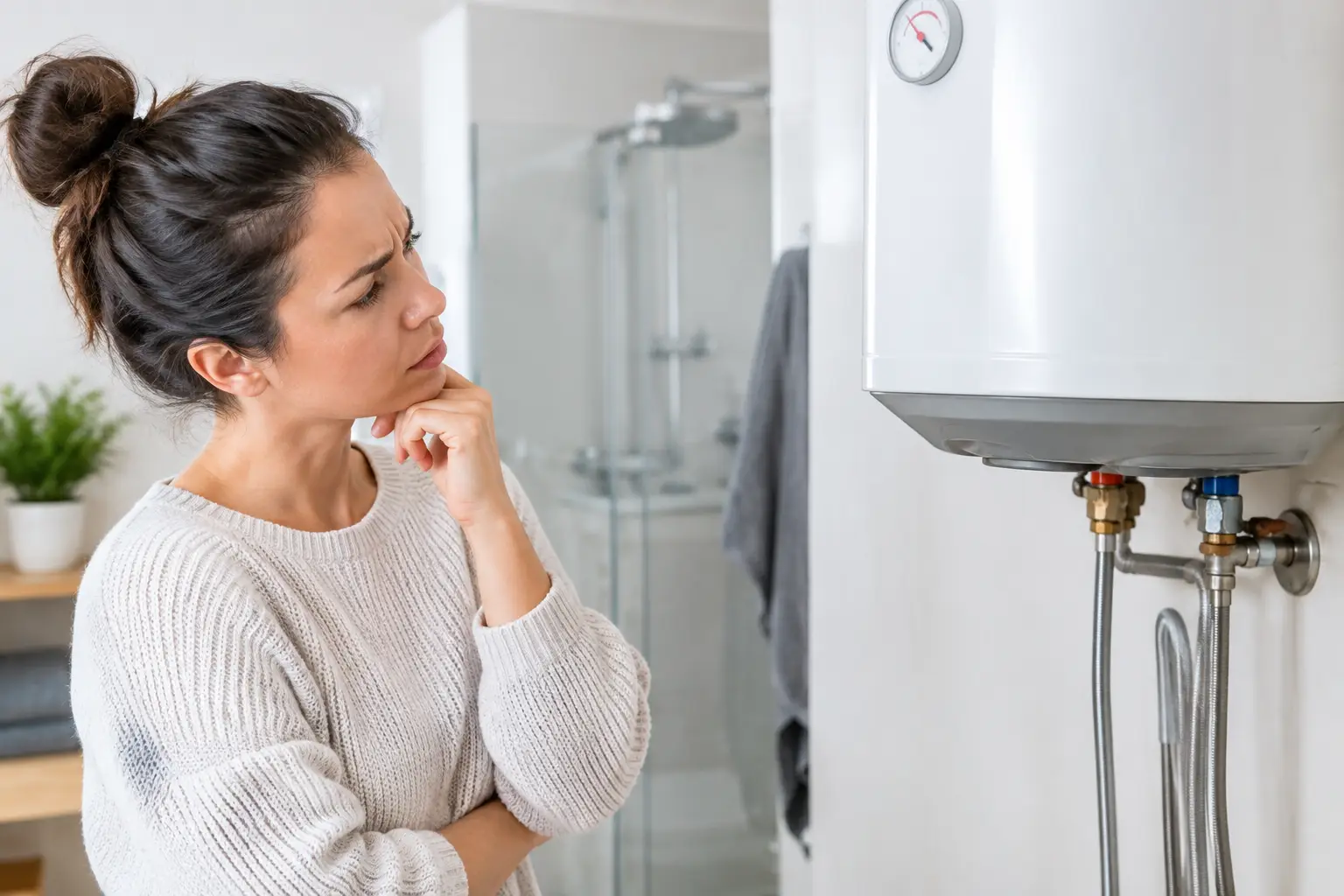
A shower that suddenly turns cold is more than an inconvenience when everyone is trying to get out the door. If you are asking why hot water runs out, the answer may be as simple as household demand - or it may point to a hot-water fault that needs prompt attention. A system that used to keep up but now runs cold sooner should be checked before it fails completely.
The right fix depends on the type of unit you have, its age, the number of people using it and whether the problem happens every day or only at busy times. Here is how to narrow it down and when to call a licensed plumber.
Why hot water runs out in a Sydney home
Your storage tank has been used faster than it can recover
Electric and gas storage systems heat and hold a fixed volume of water. Once that reserve has been used, the tank needs time to heat another full supply. A long shower, followed by a dishwasher or washing machine cycle, can empty a smaller tank surprisingly quickly.
Recovery time varies. Gas storage systems generally reheat faster than standard electric tanks, while off-peak electric systems may have limited heating periods. If the hot water returns after an hour or two, the system may be working normally but struggling to meet demand.
This is common after a new family member moves in, teenagers start taking longer showers or a bathroom is added to the property. It can also happen in rental homes and strata properties where the current unit was sized for an earlier household.
The hot-water system is undersized
Tank capacity matters, but so does the system's recovery rate. A 50-litre unit may suit a compact unit with one occupant, but it is unlikely to provide enough hot water for a family home with multiple bathrooms. A large tank is not automatically the answer either. Oversizing can mean higher installation costs and unnecessary energy use.
A plumber can assess your household's actual demand, peak-use periods, available energy source and plumbing layout. This helps determine whether a larger storage unit, a continuous-flow gas system or another option makes practical sense.
A faulty heating element or thermostat is reducing capacity
Electric storage units commonly have one or two heating elements. When one element fails, the tank may still produce warm water, but it will not heat properly or recover at its normal speed. This often feels like the system is only delivering half its usual capacity.
A failed thermostat can cause a similar issue by preventing the water from reaching the correct temperature. These faults require proper electrical and plumbing fault finding. Do not remove access covers or attempt to test wiring yourself. Hot-water systems combine water, electricity, heat and pressure, which is not a safe DIY repair.
Sediment is taking up room in the tank
Over time, minerals and sediment can settle at the bottom of a storage tank. Sydney's water quality and the age of the installation can influence how quickly this builds up. Sediment reduces the usable volume of the tank and forces the unit to work harder to heat the water.
Warning signs can include rumbling or popping noises, inconsistent temperatures, discoloured water or a noticeable drop in available hot water. In some cases, flushing the tank may help. In an older or corroded system, replacement can be the more reliable and cost-effective option.
A tempering valve may be failing or incorrectly set
Most Australian homes have a tempering valve that mixes very hot water from the system with cold water before it reaches bathrooms. This is a safety measure designed to reduce scalding risk. If the valve is faulty, blocked or incorrectly adjusted, it can deliver lukewarm water even when the storage tank itself is hot.
This can be mistaken for a system running out of hot water. A plumber can test water temperatures at the unit and fixtures, inspect the valve and replace it if needed. Do not adjust safety devices blindly in an attempt to make showers hotter.
A cross-connection is mixing cold water into the hot line
A worn mixer tap, faulty shower mixer or incorrectly connected plumbing can allow cold water to bleed into the hot-water pipework. The result is poor hot-water performance at one outlet or across the entire property.
If one shower turns cold but other taps stay hot, the problem may be local to that mixer or its cartridge. If every outlet is affected, the issue could be at the tempering valve, the system itself or the broader plumbing configuration. Targeted testing is the quickest way to avoid replacing parts that are not actually at fault.
Your continuous-flow gas unit cannot keep up
Continuous-flow systems heat water as it passes through the unit, so they do not run out of stored water in the usual sense. However, they do have a maximum flow rate. If two showers, a kitchen tap and appliances run at the same time, demand can exceed what the unit can heat.
A continuous-flow unit may also shut down or deliver inconsistent temperatures if there is a gas supply issue, a blocked inlet filter, ignition fault, error code, failing sensor or restricted water flow. Check the display for an error code and make sure the gas supply is available, but leave gas repairs to a licensed gas plumber.
When the problem points to a repair or replacement
The pattern of the fault matters. If hot water has always run out after the same number of showers, system capacity is likely the issue. If the change was sudden, look for a failed element, thermostat, valve, burner or gas fault.
Age is another factor. Storage hot-water systems can corrode internally over time, and a leaking tank cannot usually be repaired safely. Water pooling around the base, rusty water, corrosion on fittings, a constant discharge from the pressure relief valve or visible leaks should be inspected quickly. Turn off the unit's power or gas supply if it is safe to do so, isolate the water where possible and arrange a licensed plumber.
Do not ignore a relief valve that is continuously running. A small amount of discharge during heating can be normal, but ongoing water loss may indicate excessive pressure, overheating or a failed valve. Aside from wasting water, it can cause property damage if the drain line is not directing water safely away.
Checks you can make before booking a technician
Start with the simple observations that help a plumber diagnose the issue faster. Note whether every tap is affected or only one bathroom, whether the water is cold or merely lukewarm, and how long it takes to return. Check for water around the tank, unusual noises, warning lights or error codes on a continuous-flow unit.
For electric systems, confirm the hot-water circuit has not tripped at the switchboard. For gas systems, check whether other gas appliances are operating normally. If you smell gas, do not use switches, flames or electrical appliances nearby. Move away from the area, turn off the gas at the meter only if safe, and call for urgent assistance.
Avoid turning the temperature up to compensate for poor performance. Excessively hot stored water increases scalding risk, particularly for children, older people and tenants. The cause needs to be identified, not masked.
Choosing the right long-term hot-water solution
When replacement is needed, choosing the same size unit is not always the best move. A household's routine, roof space, gas availability, electrical capacity and number of bathrooms all affect the right recommendation. For example, a heat-pump system can be economical to run but needs a suitable location and may make some operational noise. Continuous-flow gas provides ongoing hot water within its flow limit, but gas supply capacity and simultaneous use need to be considered.
For landlords, strata managers and property managers, reliable hot water is also a tenancy and maintenance priority. Repairing an isolated component may be sensible on a newer system. On an ageing unit with corrosion or repeat faults, replacement may prevent another urgent call-out shortly after the repair.
Tru Blu Plumbing Group can carry out professional hot-water fault finding, repairs and replacements across Western Sydney, South-West Sydney, the Hills District and North-West Sydney. A licensed technician can identify whether the issue is demand, a failing component or a safety concern, explain the options clearly and provide upfront pricing before work begins.
Cold showers rarely improve on their own. If your system is leaking, tripping, showing an error code or no longer supplying enough hot water for normal use, book a technician before a manageable fault becomes a complete hot-water failure.